
Views: 0 Author: Site Editor Publish Time: 2026-03-17 Origin: Site
Fiberglass body panels are composite structures made by combining glass fiber reinforcements with a thermosetting resin system. Once cured, the material forms a rigid, durable structure.
These panels are commonly used in:
Automotive body kits and exterior panels
Racing vehicles and lightweight structures
Classic car restoration
Marine components
Industrial enclosures
The performance of the final part depends heavily on:
Type of fiberglass reinforcement
Resin system
Lamination process
Fiber orientation and layering
Choosing the right materials is critical for both performance and cost control.
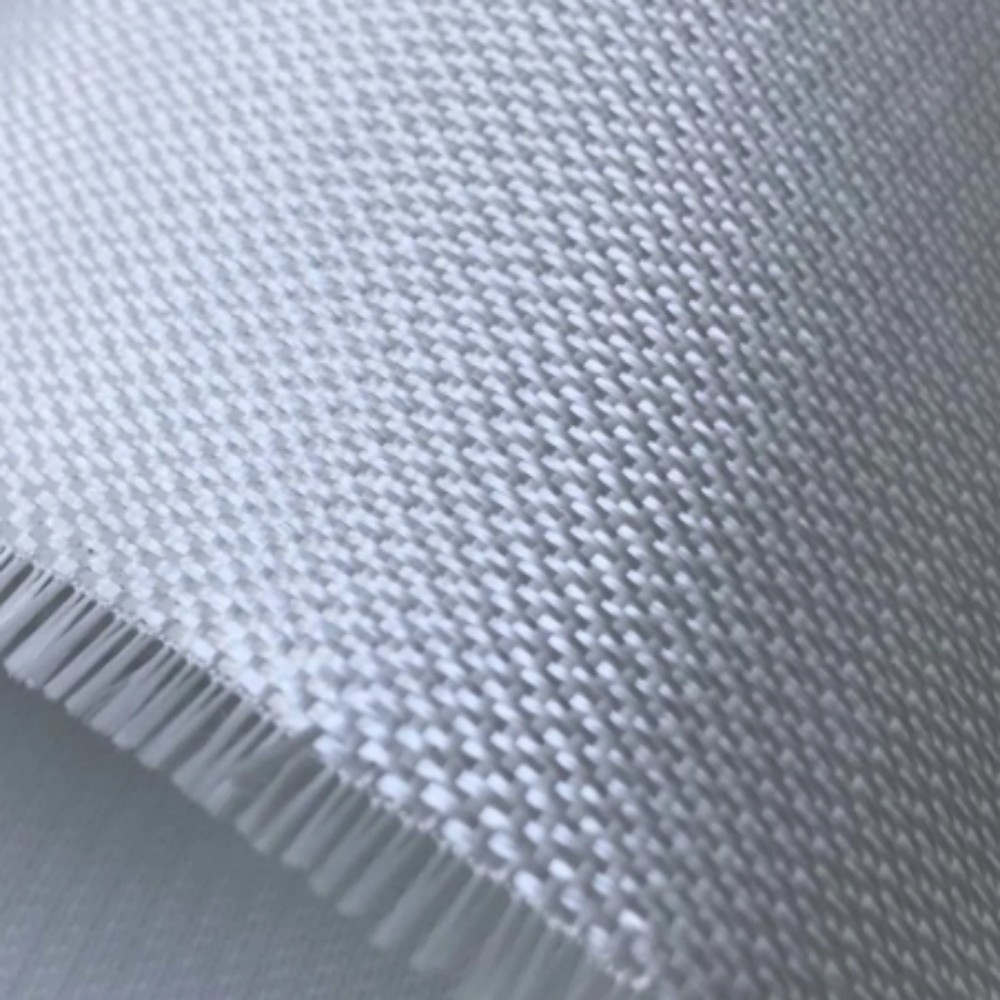
Fiberglass is the main structural component. Different types serve different purposes:
Woven Fiberglass Cloth
Provides high strength and dimensional stability
Suitable for structural layers
Chopped Strand Mat (CSM)
Good for surface bonding and conformability
Ideal for first layers and complex shapes
Biaxial / Multiaxial Fabrics
Improved strength in multiple directions
Common in automotive and industrial panels
In most body panel applications, a combination of CSM + woven or biaxial fabric delivers the best balance between surface quality and strength.
The resin binds the fibers and defines mechanical performance:
Polyester Resin – cost-effective, widely used
Vinyl Ester Resin – better chemical and moisture resistance
Epoxy Resin – superior strength and adhesion (high-end applications)
Gelcoat – provides a smooth, UV-resistant outer surface
Release Agent – ensures easy demolding
Core materials (PVC foam, honeycomb – for sandwich structures)
Peel ply, release film (for vacuum processes)
Fillers and additives
Brushes and rollers
Resin mixing containers
Spray equipment (optional)
Vacuum bagging setup
Cutting and sanding tools
The mold determines the final geometry and surface finish.
Clean and polish the mold surface
Apply release agent evenly
Check for defects (scratches, dust, uneven areas)
A high-quality mold directly reduces post-processing work.
Apply gelcoat to the mold:
Typical thickness: 0.3–0.5 mm
Allow it to reach a semi-cured (tacky) state
This layer forms the visible outer surface of the panel.
Apply resin evenly using brushes or rollers
Ensure full wet-out of fibers
Remove trapped air using bubble rollers
Air bubbles and dry spots are common defects that reduce mechanical strength.
Compact layers manually (hand lay-up)
Or use vacuum bagging to improve fiber consolidation
Vacuum processing:
Reduces void content
Improves fiber-resin ratio
Enhances mechanical properties
Allow the laminate to cure:
Room temperature curing for standard resins
Elevated temperature post-curing for high-performance parts
Curing time depends on:
Resin type
Ambient temperature
Part thickness
Carefully remove the part from the mold
Trim excess edges
Sand and polish
Apply paint or coating if required
Most widely used method
Low cost and simple equipment
Suitable for prototypes and small batches
Better quality and consistency
Higher mechanical performance
Reduced resin waste
Suitable for medium to large-scale production
Improved repeatability
Better surface finish on both sides
These processes are increasingly used in automotive and industrial composite manufacturing.
To achieve high-quality fiberglass panels, focus on:
Fiber-resin ratio (avoid excess resin)
Air removal (prevent voids)
Layer consistency
Correct curing conditions
Material compatibility
Using low-quality fiberglass materials
Poor mold preparation
Incomplete resin impregnation
Trapped air bubbles
Incorrect curing time
Fiberglass materials can be sourced from distributors, online platforms, or direct manufacturers. For industrial or long-term applications, working with a professional supplier is recommended.
A reliable supplier can provide:
Consistent fiberglass cloth quality
Multiple fabric types (CSM, woven, biaxial, UD)
Custom specifications
Technical support for different processes
For example, companies like JLON offer a wide range of fiberglass reinforcements suitable for automotive, marine, and composite manufacturing, including solutions for hand lay-up, vacuum infusion, and RTM processes.
Fabricating fiberglass body panels is a versatile and cost-effective solution for producing lightweight and durable components. By selecting the right materials and following proper fabrication techniques, both beginners and professionals can achieve high-quality results.
As composite manufacturing continues to evolve, advanced processes such as vacuum infusion and RTM—combined with high-performance fiberglass materials—are becoming the standard for efficient and scalable production.


