
Views: 0 Author: Site Editor Publish Time: 2026-05-18 Origin: Site
In composite manufacturing, vacuum infusion is widely used to produce lightweight and high-strength parts for industries such as marine, wind energy, automotive, aerospace, and drone manufacturing. However, one common challenge continues to trouble many manufacturers: print-through and surface indentation after vacuum infusion molding.
These surface defects not only affect the appearance quality of composite parts, but also increase sanding, polishing, repainting, and rework costs. In severe cases, parts may even be scrapped completely, leading to material waste, production delays, and reduced profitability.
For manufacturers producing high-gloss carbon fiber parts, marine gel coat panels, wind turbine blades, or visible composite surfaces, stable surface quality is critical. Traditional vacuum bagging systems often struggle to eliminate flow media marks and surface deformation, especially on large or high-precision composite components.
So what causes print-through in vacuum infusion, and how can manufacturers effectively improve composite surface quality?
In this article, we will explain the root causes of common vacuum infusion surface defects and show how VAP Air Extraction Bags for Vacuum Infusion help manufacturers achieve smoother surfaces, reduce production defects, and improve overall infusion efficiency.
Print-through refers to visible surface patterns or indentation marks transferred from vacuum infusion consumables onto the cured composite part surface.
In traditional vacuum infusion processes, multiple consumable materials are manually layered together, including:
Vacuum bag film
Release film
Flow media mesh
Spiral tubes
Breather fabrics
Vacuum lines
During vacuum pressure application and resin curing, uneven pressure distribution may occur across the laminate surface. The compression force generated by flow media and auxiliary materials can leave visible mesh patterns or surface indentations on the final composite part.
Several factors commonly contribute to print-through and surface defects:
Traditional vacuum bagging setups may create localized pressure concentration, causing surface deformation or indentation.
Flow mesh and vacuum consumables directly contact the laminate surface, leaving visible patterns after curing.
Insufficient air extraction may create bubbles, pinholes, or dry spots within the laminate.
As resin cures and shrinks, uneven pressure conditions can amplify surface irregularities.
Complex multi-layer consumable lay-up increases the risk of material displacement, bridging, and inconsistent vacuum performance.
The following production processes are especially prone to these serious issues.
Large composite panels
Carbon fiber visible surfaces
Yacht and boat hulls
Wind blade skins
Automotive exterior parts
Drone composite structures
Manufacturers using traditional vacuum infusion systems often encounter several surface quality problems.
Visible flow media patterns appear on the cured laminate surface.
Localized pressure from vacuum consumables causes dents or uneven surfaces.
Poor air evacuation traps air inside the laminate.
Insufficient resin flow leads to incomplete fiber wet-out.
Uneven vacuum pressure creates excessive resin accumulation.
These defects increase:
Rework and sanding time
Labor costs
Scrap rates
Production instability
Post-processing expenses
For high-end composite applications, improving surface finish is essential for maintaining both product quality and manufacturing efficiency.
Traditional vacuum infusion processes rely heavily on manual consumable arrangement and operator experience. While the method is widely used, it presents several limitations.
Traditional Vacuum Infusion Problems |
Uneven vacuum pressure |
Complex multi-layer lay-up |
High labor dependency |
Inconsistent air extraction |
Flow media print-through |
Surface indentation |
Quality fluctuations |
Even experienced technicians may struggle to maintain stable results during large-scale production runs.
As composite manufacturing standards continue to rise, more manufacturers are seeking advanced vacuum infusion consumables that improve process consistency and reduce surface defects.
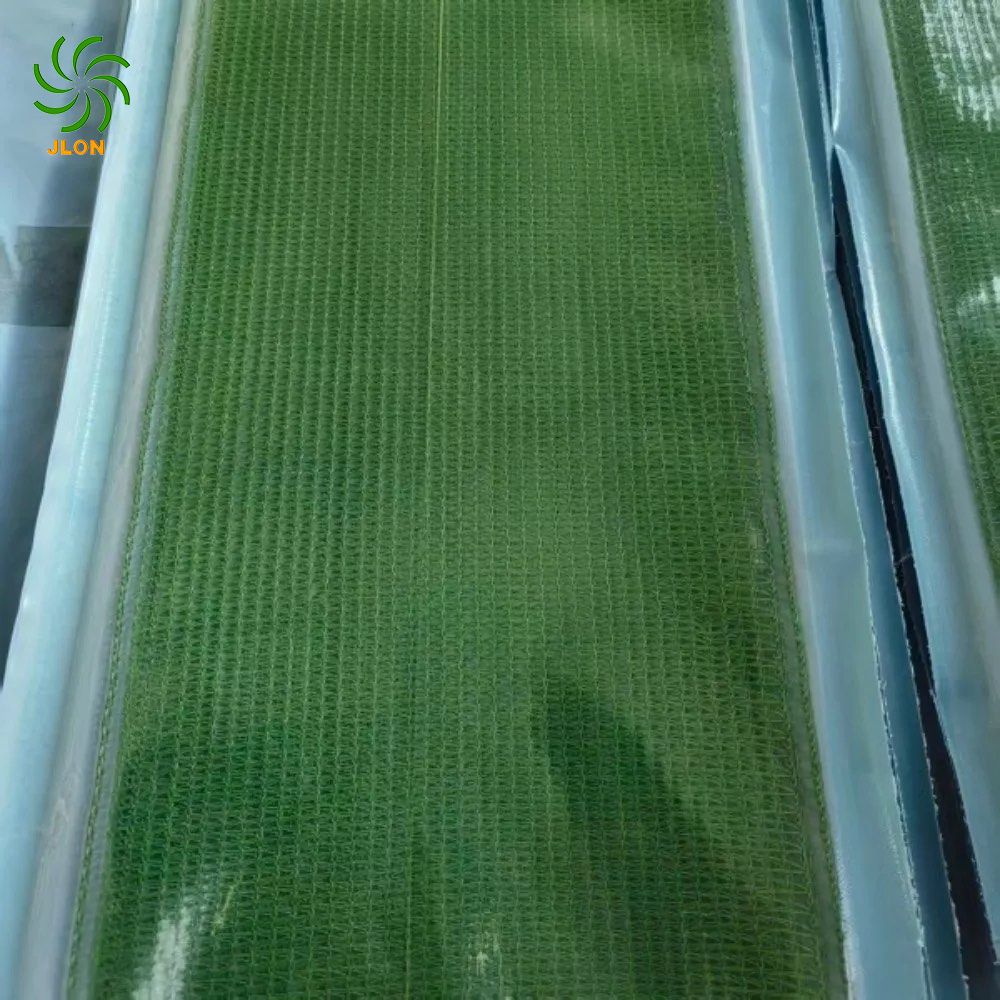
A VAP Air Extraction Bag for Vacuum Infusion is an advanced integrated vacuum consumable system designed to optimize vacuum pressure distribution and air evacuation during composite molding.
Unlike traditional vacuum bagging methods that require multiple separate consumables, the VAP integrated system combines several functional layers into one pre-assembled structure.
The system typically integrates:
High-performance VAP membrane
Vacuum bag film
Optimized airflow layer
Air extraction channels
Infusion support structure
This integrated design simplifies the vacuum infusion setup while significantly improving vacuum stability and laminate surface quality.
Compared with traditional vacuum bagging systems, VAP Air Extraction Bags provide more balanced pressure distribution and more efficient air evacuation throughout the infusion and curing process.
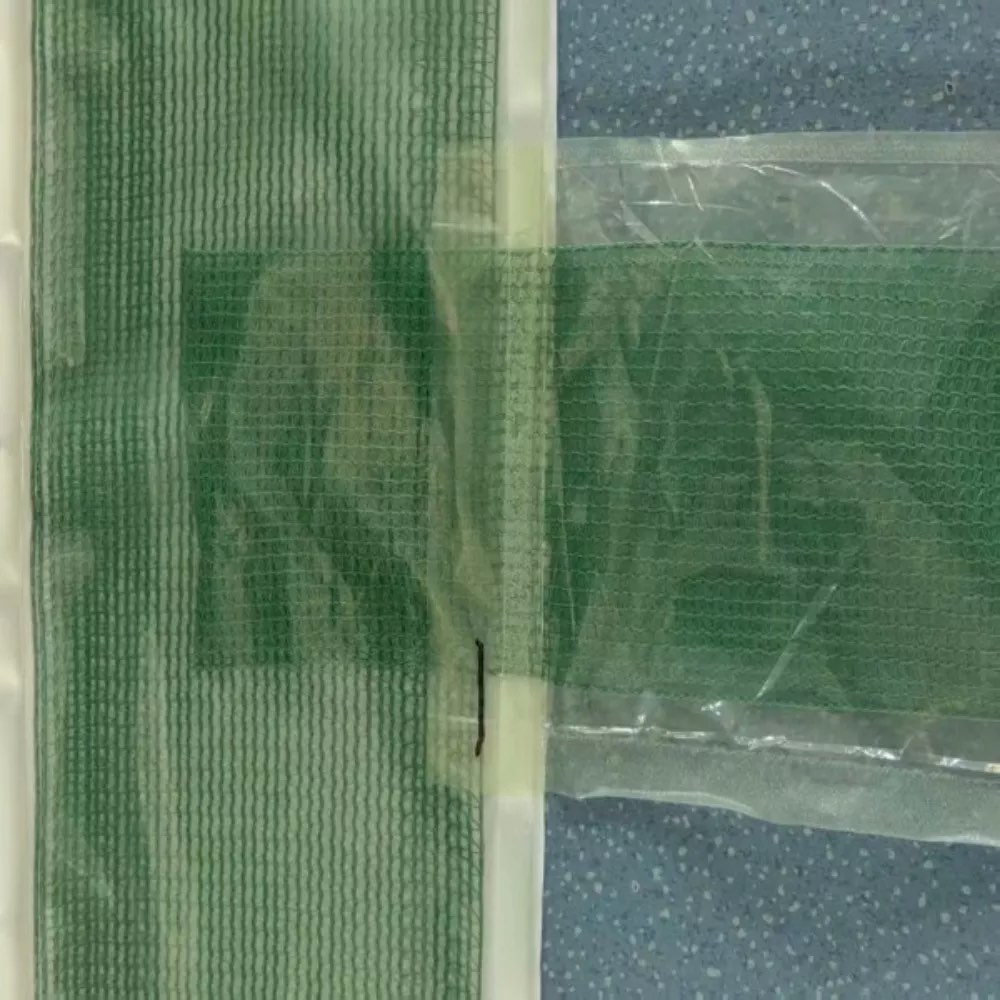
The integrated VAP structure ensures that vacuum pressure is evenly distributed across the laminate surface, minimizing local pressure concentration and reducing surface indentation.
Traditional flow media often leaves visible mesh patterns on the composite surface. VAP Air Extraction Bags optimize airflow internally, greatly reducing direct surface compression and minimizing print-through.
Efficient air evacuation helps eliminate trapped air, reducing pinholes, voids, and laminate inconsistencies.
Balanced vacuum conditions improve resin distribution and reduce resin-rich zones.
Composite parts achieve smoother and more uniform surfaces, reducing post-processing work such as sanding and polishing.
By improving process consistency, manufacturers can significantly reduce production defects and improve overall product qualification rates.
Item | Traditional Vacuum Infusion | VAP Air Extraction Bag |
Surface Print-Through | Common | Greatly Reduced |
Surface Indentation | Frequent | Minimal |
Vacuum Pressure Uniformity | Uneven | Balanced |
Air Extraction Stability | Inconsistent | Stable |
Surface Finish | Variable | Smooth |
Lay-Up Complexity | High | Simplified |
Production Efficiency | Lower | Higher |
Scrap Rate | Higher | Reduced |
For manufacturers producing high-quality visible composite parts, VAP integrated systems offer a more stable and efficient solution.
Improve gel coat surface quality and reduce post-finishing work on hulls and composite panels.
Reduce surface waviness and improve laminate consistency on large blade structures.
Achieve smoother Class-A composite surfaces for visible carbon fiber components.
Improve dimensional consistency and lightweight performance.
Enhance production stability for large structural composite parts.
Traditional vacuum infusion setups require multiple consumables and time-consuming manual lay-up procedures. It drives up labor expenses, while also raising the likelihood of installation mistakes and uneven product quality.
Pre-assembled VAP Air Extraction Bags simplify the process by integrating key vacuum consumable functions into a single ready-to-use system.
Main advantages include:
Faster setup time
Reduced labor dependency
More stable vacuum performance
Improved production consistency
Lower risk of lay-up errors
Better repeatability in mass production
For composite manufacturers seeking higher efficiency and better surface quality, integrated VAP systems are becoming an increasingly popular solution.
Print-through is mainly caused by uneven vacuum pressure and excessive compression from flow media during resin curing.
Using optimized vacuum systems such as VAP Air Extraction Bags helps distribute pressure evenly and reduce localized surface stress.
VAP (Vacuum Assisted Process) technology improves air evacuation and vacuum stability during infusion molding.
Marine, wind energy, automotive, aerospace, drone manufacturing, and industrial composite industries widely use VAP systems.
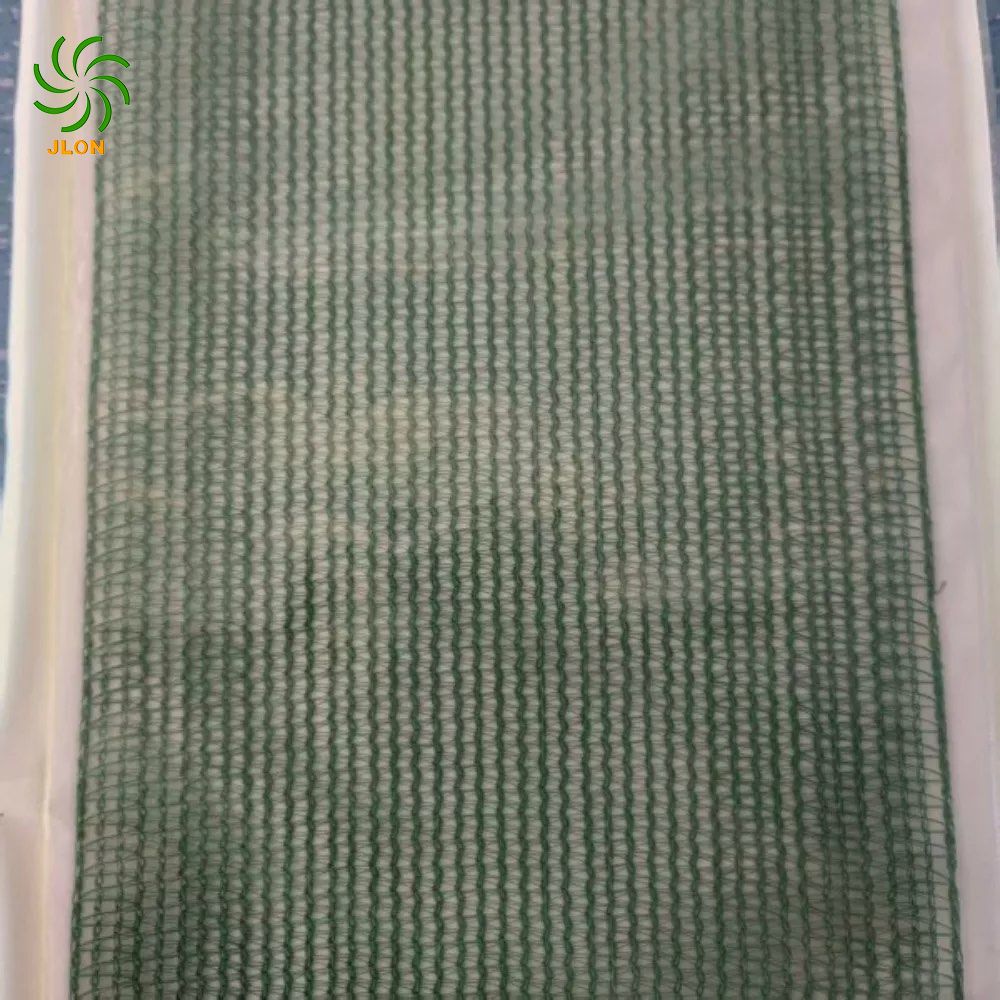
At JLon Composite, we specialize in advanced vacuum infusion consumables designed to improve composite production quality and manufacturing efficiency.
Our VAP Air Extraction Bag for Vacuum Infusion helps manufacturers:
Reduce print-through defects
Eliminate surface indentation
Improve laminate surface finish
Optimize air extraction performance
Simplify vacuum bagging processes
Reduce labor and rework costs
The product is suitable for marine composites, wind turbine blades, carbon fiber parts, drone structures, and various industrial composite applications.
If you are looking for a more stable and efficient vacuum infusion solution, we are ready to help.
Contact us today for:
Product samples
Technical datasheets
Customized specifications
Vacuum infusion process support
Competitive quotations
Let JLon Composite help you achieve smoother surfaces, lower defect rates, and higher-quality composite production with advanced VAP Air Extraction Bag technology.


