Views: 0 Author: Site Editor Publish Time: 2026-01-26 Origin: Site
PVC foam core is widely used across the Middle East due to several regional characteristics and industry trends:
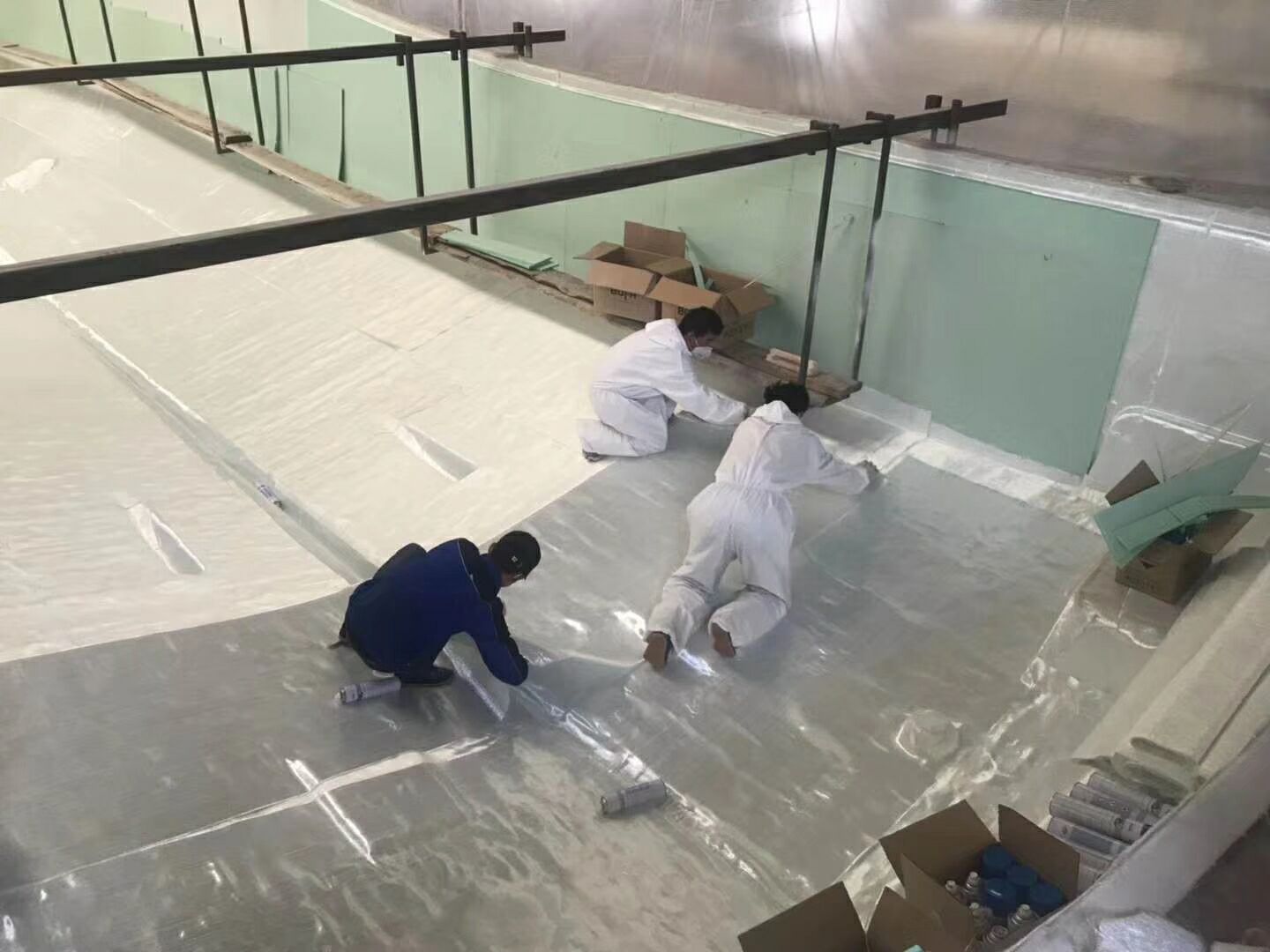
Strong boatbuilding and yacht manufacturing clusters in the UAE, Turkey, and surrounding regions continue to drive demand for lightweight and moisture-resistant core materials. PVC foam core is widely used in hulls, decks, bulkheads, superstructures, and interior panels, helping shipyards reduce weight while maintaining structural integrity.
Oil & gas platforms, offshore support vessels, and renewable energy projects increasingly adopt sandwich composite structures to improve corrosion resistance and reduce maintenance costs. PVC foam core is commonly used in deck panels, enclosures, walkways, and secondary structures.
In hot and humid climates, core materials must retain stable mechanical properties over long service periods. Closed-cell PVC foam cores offer good resistance to water absorption, thermal variation, and chemical exposure, making them suitable for harsh Middle Eastern environments.
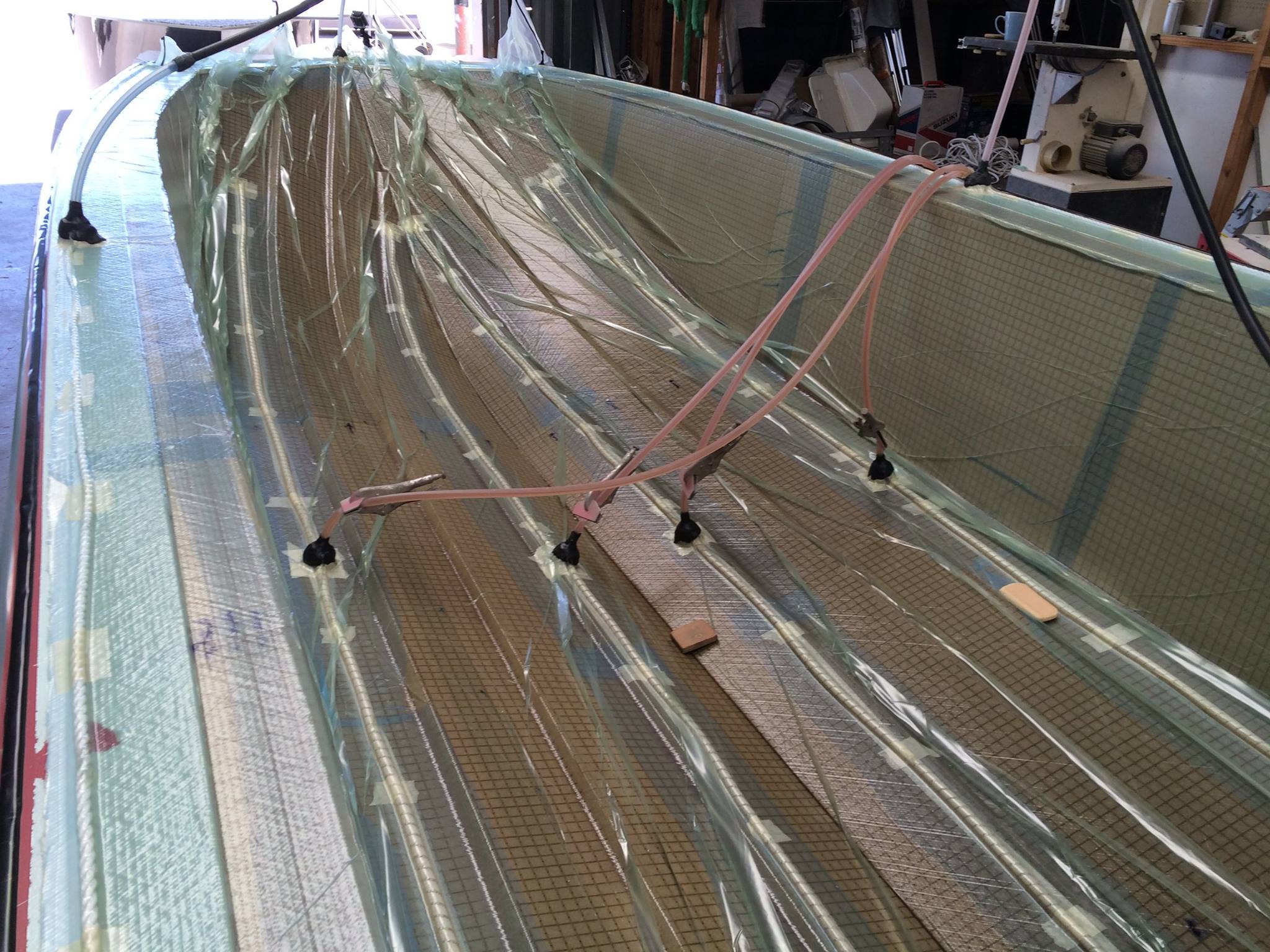
Most Middle Eastern composite manufacturers rely on vacuum infusion, VARTM, or RTM-Light processes for cost-efficient production. Infusion-grade PVC foam cores with controlled resin flow characteristics are therefore highly preferred.
Headquarters: Sweden
Market Role: Global leader with strong Middle East presence
DIAB remains one of the most recognized PVC foam core brands in the Middle East, especially in wind energy, marine, and industrial composite sectors. Its Divinycell® series is widely specified in large-scale and high-performance projects, particularly where long-term reliability is critical.
Key Advantages:
Very broad density range, including fire-retardant grades
Proven performance in wind turbine blades and marine structures
Comprehensive technical documentation and global references
Typical Applications:
Wind turbine blades, high-end marine structures, industrial sandwich panels
Headquarters: Switzerland
Market Role: High-end structural composite supplier
Gurit supplies PVC foam cores mainly for marine, wind, and advanced composite applications. Their materials are often selected for projects requiring certified performance, engineering support, and design integration.
Key Advantages:
Structural-grade PVC foam core materials
Compatibility with vacuum infusion and prepreg processes
Strong engineering, testing, and design support
Typical Applications:
Yachts, performance boats, wind energy components
Headquarters: Switzerland
Market Role: Premium structural foam supplier
AIREX® PVC foam cores are well established in marine, transportation, and industrial composite markets. In the Middle East, they are frequently specified for luxury yachts, transportation panels, and specialized industrial structures.
Key Advantages:
Consistent material quality and process stability
Good shear strength and compression performance
Availability of fire-retardant grades
Typical Applications:
Yacht hulls and decks, transportation panels, industrial structures
Headquarters: Germany
Market Role: Growing supplier for structural core materials
Armacell’s ArmaFORM® PVC foam series is gaining visibility in the Middle East, particularly in industrial, transportation, and construction-related composite applications where cost-performance balance is important.
Key Advantages:
Structural PVC foam with competitive cost efficiency
Good processing behavior for vacuum infusion
Suitable for industrial-scale and repeat production
Typical Applications:
Industrial sandwich panels, transportation components, construction composites
Headquarters: China
Market Role: Cost-effective and flexible supplier for Middle Eastern customers
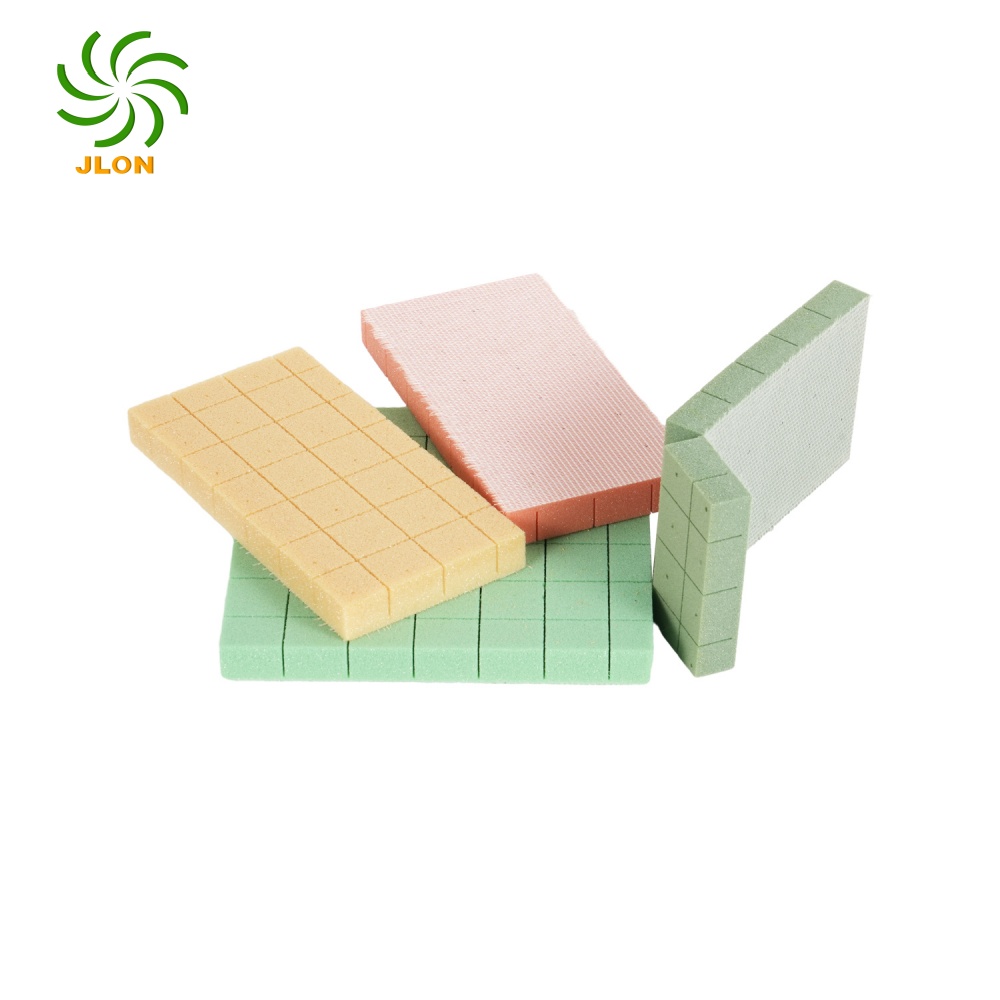
Jlon Composite has been increasingly supplying PVC foam core materials to the Middle East, particularly for boatbuilding, FRP structures, and vacuum infusion projects. The company focuses on providing customized density options, thickness ranges, and cut-to-size solutions, which are highly valued by regional fabricators and shipyards.
Unlike many global brands that focus primarily on standardized product ranges, Jlon Composite places strong emphasis on project-based customization. This includes density tuning for specific load requirements, thickness optimization, CNC machining, scoring, grooving, perforation, and infusion-friendly formats tailored for Middle Eastern production practices.
Key Advantages:
Wide density range of PVC foam core materials
Stable supply capacity for medium and large-volume projects
Practical experience in marine, FRP, and industrial composites
Competitive pricing combined with consistent quality control
Typical Applications:
FRP boats, sandwich panels, industrial composite structures, vacuum infusion projects
When sourcing PVC foam core materials in 2026, Middle Eastern buyers should consider the following factors carefully:
In 2026, demand for PVC foam core in the Middle East is expected to continue growing, particularly in:
Marine and yacht manufacturing
Wind and renewable energy projects
Industrial and infrastructure composite structures
Suppliers that combine technical reliability, cost efficiency, process compatibility, and flexible service capabilities will be best positioned to support this expanding market.
The Middle East represents a strategic and rapidly developing market for PVC foam core materials. While global brands such as DIAB, Gurit, and 3A Composites continue to play a strong role, flexible and cost-effective suppliers like Jlon Composite are increasingly becoming preferred partners for regional composite manufacturers.
Choosing the right PVC foam core supplier in 2026 means carefully balancing material performance, manufacturing process compatibility, customization capability, and long-term supply reliability.