Views: 0 Author: Site Editor Publish Time: 2025-12-30 Origin: Site
Applying fiberglass cloth and resin may seem intimidating at first, but with the right approach, it becomes a straightforward and rewarding process. Fiberglass composites are widely used in marine, automotive, industrial, and hobby projects due to their high strength-to-weight ratio, durability, and versatility. This guide covers everything from preparation to finishing, including safety precautions, practical tips, troubleshooting, and advanced techniques.
Proper preparation is essential to achieve strong and durable results. Gather all materials and tools before starting.
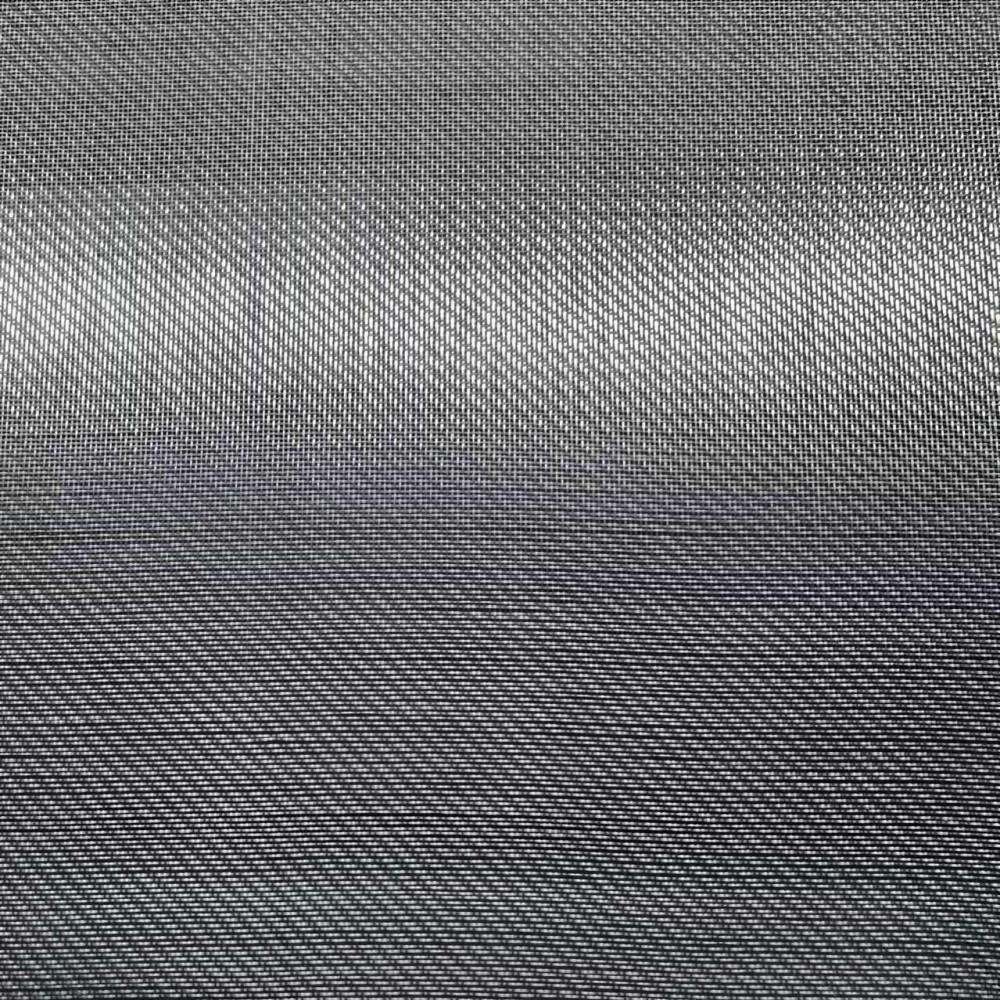
Fiberglass Cloth: Options include woven roving, plain weave, stitched fabric, or unidirectional cloth depending on your application.
Resin: Polyester, vinyl ester, or epoxy. Choose based on environment, chemical resistance, and curing requirements.
Hardener or Catalyst: Follow the manufacturer’s recommended ratio precisely.
Mixing cups and stir sticks for accurate measurement and thorough mixing.
Brushes, rollers, or squeegees for applying resin and saturating cloth.
Scissors or rotary cutters for cutting fiberglass cloth accurately.
Gloves, safety glasses, respirator or mask, long sleeves, and protective clothing.
Optional: Vacuum bagging equipment for advanced composite work.
Tip: Always work in a well-ventilated area. Avoid direct skin contact with resin and hardener.
Surface preparation is critical for strong adhesion and a durable laminate.
Clean the surface: Remove dust, grease, and oil with a suitable cleaner.
Sand the surface lightly: Medium-grit sandpaper roughens smooth surfaces for better bonding.
Wipe again: Ensure the surface is free of debris or dust.
Optional treatment: For metals or plastics, apply a primer or coupling agent to improve adhesion.
Principle: A clean, slightly rough surface allows resin to penetrate the fibers for mechanical bonding, while coupling agents enhance chemical bonding with certain substrates.
Measure and cut cloth slightly larger than the target area.
Lay the cloth dry on the surface to check fit, orientation, and layer stacking.
For multiple layers, plan the order carefully; cross-ply or angled layers increase strength.
For curves or complex shapes, cut smaller overlapping sections to avoid wrinkles.
Tip: Pre-plan each layer to avoid thin spots or weak areas.
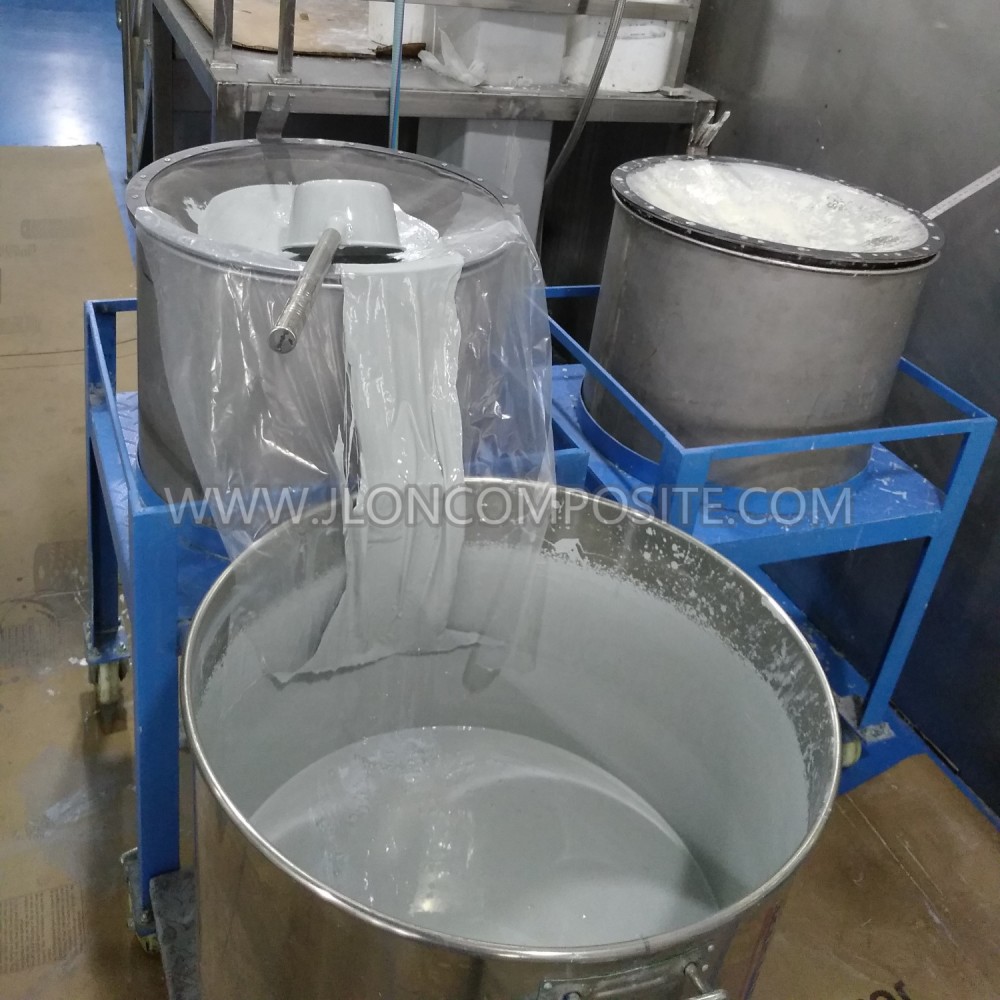
Proper resin mixing is critical for curing and laminate strength.
Measure resin and hardener according to the manufacturer’s instructions.
Mix slowly to prevent air bubbles; use a figure-eight motion for best results.
Only mix what you can use within the resin’s pot life.
Temperature affects curing: warmer conditions accelerate curing; cooler environments slow it down.
Tip: Avoid over-mixing and introducing air bubbles to maintain a smooth laminate.
Sanding: Smooth edges and surface imperfections using fine-grit sandpaper.
Trimming: Cut excess fiberglass carefully with scissors or a utility knife.
Protective coating: Apply gel coat, paint, or UV-resistant varnish for outdoor use.
Optional polishing: For marine or aesthetic applications, polish to a glossy finish.
Using too much resin → adds weight without increasing strength.
Air bubbles trapped under the cloth → weak spots in the laminate.
Incorrect resin-to-hardener ratio → improper curing.
Poor surface preparation → delamination or peeling.
Improper layer stacking → uneven strength.
Problem | Possible Cause | Solution |
Resin doesn’t cure | Wrong hardener ratio or too cold | Check ratios, adjust temperature |
Air bubbles | Excessive brushing or thick resin | Use roller or squeegee, apply thinner layers |
Delamination | Dirty or smooth surface | Sand and clean surface before applying |
Rough finish | Uneven resin application | Use roller to wet cloth evenly |
Fiber direction and mechanical strength: Fibers carry tensile loads; resin carries compression and shear. Layer orientation affects overall laminate strength.
Pressure and heat: Applying moderate pressure or heat improves resin penetration and curing.
Prepreg materials: Pre-impregnated fiberglass reduces air bubbles and improves consistency but is more expensive.
Vacuum-assisted techniques: Used in industrial applications to improve layer density and surface finish.
By following proper preparation, accurate resin mixing, correct application, and sufficient curing, you can produce professional-quality fiberglass composites. Practice small projects first to gain confidence and consistency. With experience, you can create strong, lightweight, and high-quality laminates suitable for a wide range of applications.